A comfortable home is more than just a place to live—it is a space where families feel safe, healthy, and at ease. However, pests can quickly disrupt that sense of comfort. From tiny ants in the kitchen to rodents hiding in walls, pests can create problems that go beyond simple inconvenience. This is why pest control plays an important role in maintaining a healthy living environment.
Many homeowners only think about pest control after they notice an infestation. In reality, understanding why pest control matters can help people prevent problems before they become serious. Managing pests is not only about removing insects or rodents; it is about protecting health, property, and overall well-being.
Protecting Your Family’s Health
One of the most important reasons pest control matters is its connection to health and hygiene. Certain pests carry bacteria, viruses, and parasites that can spread diseases to humans.
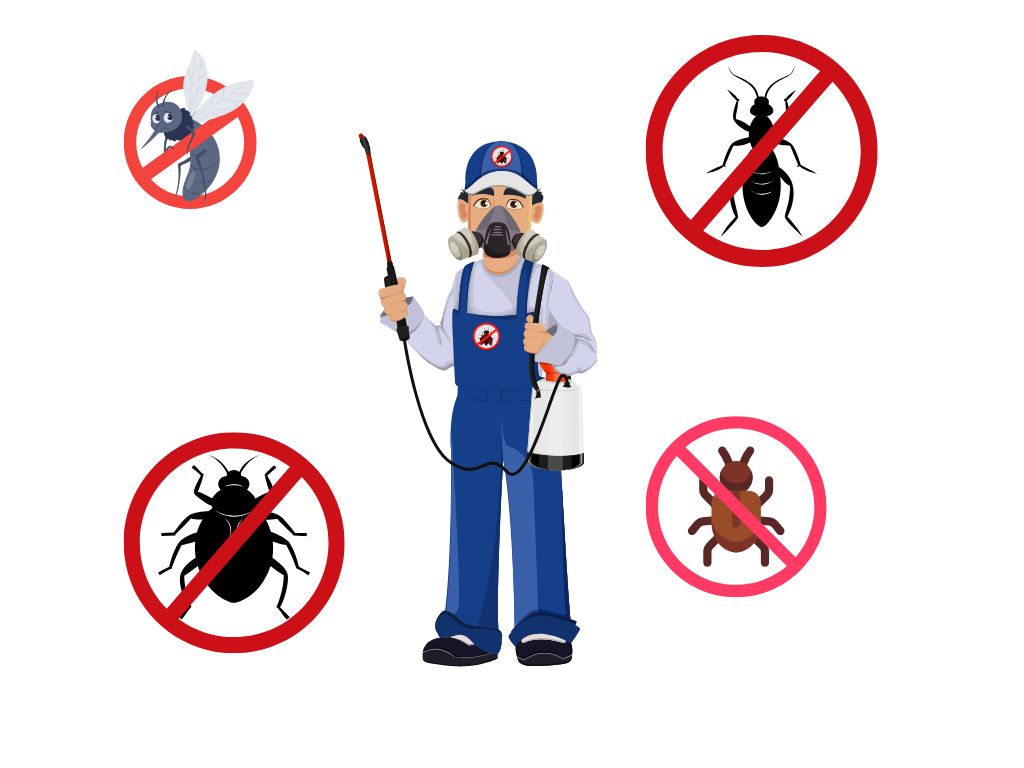
For example, rodents may contaminate food and surfaces with their droppings and urine. Cockroaches can carry bacteria from unsanitary areas and spread them throughout the home. Mosquitoes are known for transmitting illnesses in many parts of the world.
Even when pests do not directly transmit disease, they can still trigger allergic reactions and respiratory issues. Cockroach particles, dust mites, and other pest-related allergens can worsen asthma symptoms, especially in children.
By keeping pest populations under control, households can significantly reduce the risk of exposure to these health hazards.
Preventing Property Damage
Another major reason pest control is important is the potential damage pests can cause to homes and buildings. Some pests are known for silently destroying structures over time.
Termites are a well-known example. These insects feed on wood and other cellulose materials, which means they can weaken wooden structures if left unchecked. Because termites often work inside walls or foundations, the damage may go unnoticed until it becomes extensive.
Rodents can also cause structural issues by chewing on insulation, furniture, and even electrical wiring. Damaged wires can create fire hazards, making rodent infestations more dangerous than they might initially appear.
Regular pest awareness and early detection can help homeowners identify these problems before they lead to costly repairs.
Maintaining Clean and Hygienic Living Spaces
A pest-free home contributes to better cleanliness and hygiene. When pests invade kitchens, pantries, or dining areas, they can contaminate food supplies and surfaces.
Ants, flies, and cockroaches are especially attracted to food crumbs, garbage, and spills. Once they find a reliable food source, they often return repeatedly and may bring larger populations with them.
Maintaining a clean home can help reduce these attractions, but sometimes pests still find their way inside. Pest control helps maintain a sanitary environment by reducing the presence of these unwanted intruders.
Preventing Rapid Infestations
Many pests reproduce quickly, which means small problems can grow into large infestations in a short time. For example, a single pair of mice can produce multiple litters within a year. Similarly, insects like cockroaches and bed bugs can multiply rapidly under the right conditions.
Because pests often hide in walls, attics, basements, or behind appliances, infestations can develop without immediate notice. By the time visible signs appear, the population may already be quite large.
Understanding the importance of pest control encourages homeowners to address early warning signs and take preventive measures before the situation becomes harder to manage.
Protecting Food and Storage Areas
Food storage areas are among the most common places where pests appear. Pantries, cupboards, and storage containers can attract insects and rodents searching for easy food sources.
Pests such as pantry moths, beetles, ants, and mice may contaminate stored grains, cereals, and other food items. Once contaminated, these foods are usually no longer safe to consume.
Proper food storage, sealed containers, and regular cleaning can help minimize this risk. Awareness of pest activity also helps homeowners protect their food supplies and avoid unnecessary waste.
Supporting a Comfortable Living Environment
Beyond health and structural concerns, pests can affect the comfort and peace of mind of people living in a home. Constant buzzing, scratching sounds in walls, or insect bites can make daily life stressful.
For example, bed bugs can disrupt sleep because they feed at night. Rodents may create noise in attics or ceilings, especially after dark. Even small insects like ants can become frustrating when they repeatedly appear in living spaces.
Maintaining a pest-free home helps ensure that residents can relax and enjoy their environment without these ongoing disturbances.
Encouraging Preventive Habits
Understanding the importance of pest control also encourages better preventive habits around the home. Simple steps such as sealing cracks, fixing leaks, and storing food properly can make a big difference.
Regular cleaning, proper waste disposal, and removing standing water also help reduce conditions that attract pests. These practices not only discourage infestations but also contribute to a healthier living environment overall.
Pest control, therefore, is not only about dealing with pests after they appear. It is also about creating conditions that make homes less attractive to pests in the first place.
A Balanced Approach to Pest Management
It is important to remember that pests are part of the natural ecosystem. The goal of pest control is not to eliminate them entirely from the environment but to manage their presence in places where they can cause harm.
A balanced approach focuses on prevention, monitoring, and responsible management methods. This helps protect both human living spaces and the surrounding environment.
Conclusion
Pest control plays an essential role in protecting homes, health, and comfort. While pests may seem like minor nuisances at first, their impact can quickly grow if they are ignored. From spreading bacteria to damaging property, the risks associated with pest infestations highlight why awareness and prevention are so important.
By understanding how pests enter homes and what attracts them, homeowners can take simple steps to reduce the chances of infestations. A clean environment, proper maintenance, and early attention to warning signs all contribute to keeping homes safer and more comfortable.
Frequently Asked Questions (FAQs)
Q1. Why is pest control necessary for homes?
Ans. Pest control helps protect health, prevent property damage, and maintain a clean living environment by managing insects, rodents, and other unwanted organisms.
Q2. What are the most common pests found in homes?
Ans. Common household pests include ants, cockroaches, termites, rodents, bed bugs, and mosquitoes.
Q3. Can pests affect indoor air quality?
Ans. Yes, some pests can affect indoor air quality. Droppings, shed skins, and other pest-related particles may trigger allergies or respiratory problems.
Q4. How can homeowners prevent pests naturally?
Ans. Homeowners can reduce pest activity by sealing entry points, storing food properly, cleaning regularly, fixing leaks, and disposing of garbage frequently.
Q5. When should a pest problem be taken seriously?
Ans. Pest problems should be addressed when there are repeated sightings, droppings, structural damage, or signs of nesting or infestation within the home.