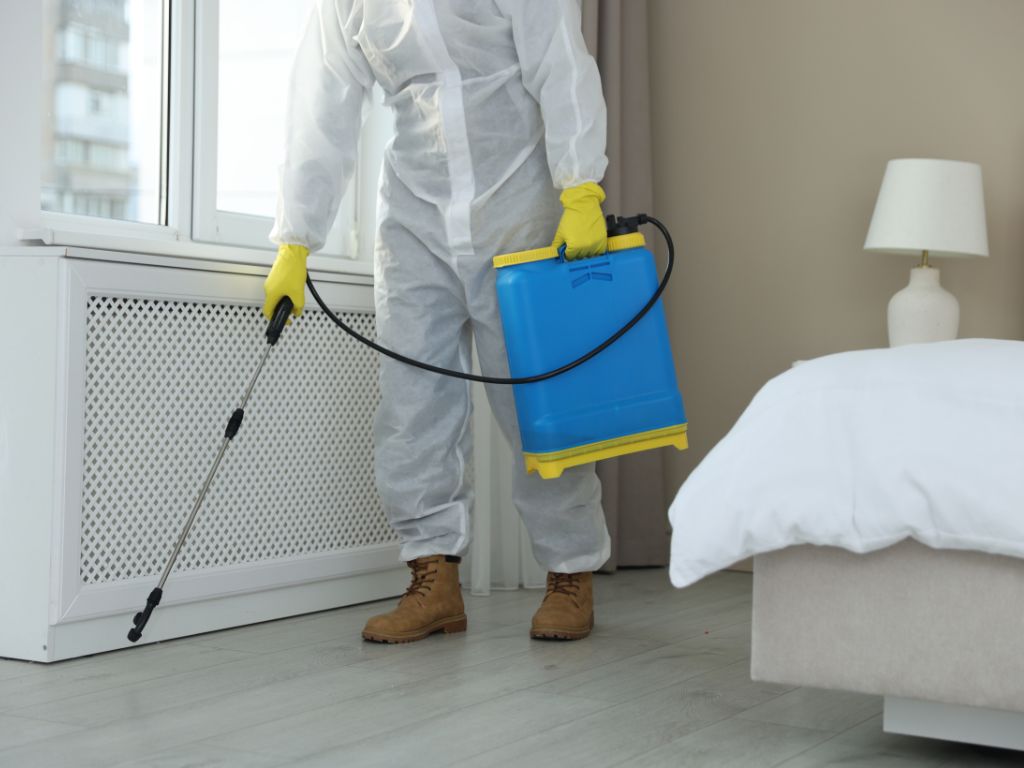
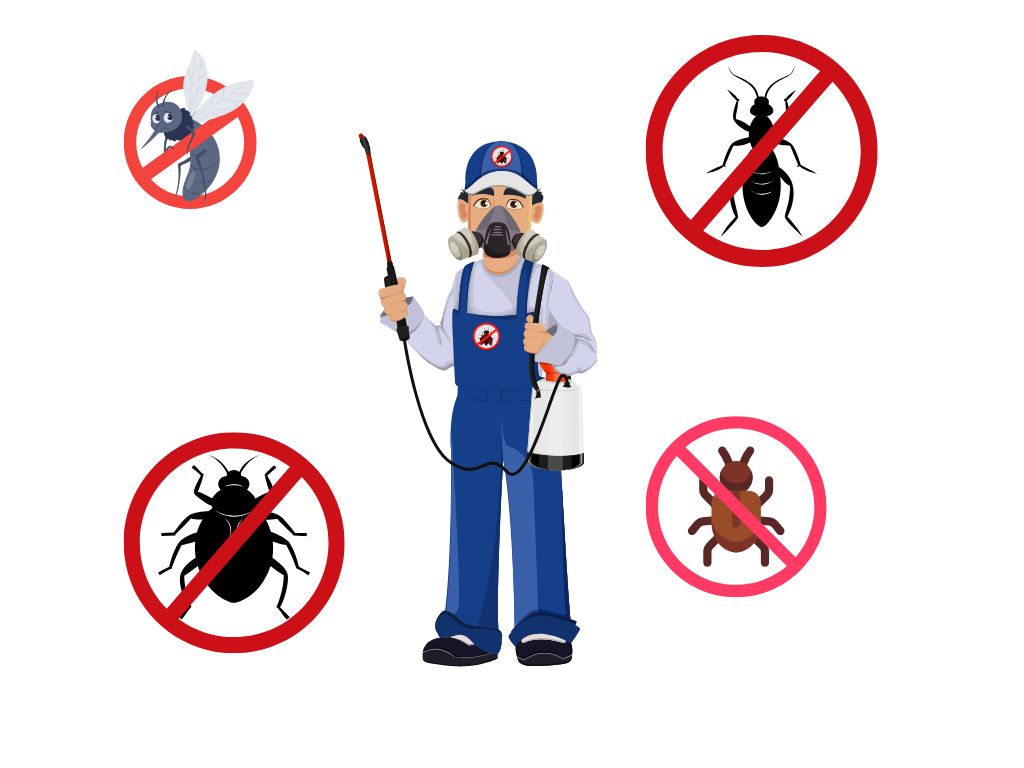
Pests are an unavoidable part of the natural world, but when they invade homes, businesses, or public spaces, they can quickly become a serious problem. From ants in the kitchen to rodents in the attic, pest infestations can affect health, property, and overall comfort. This is where pest control becomes important.
If you are new to the concept, understanding what pest control is and why it matters can help you take the right steps to protect your living environment. This beginner’s guide explains what pest control means, why it is necessary, common types of pests, and the basic methods used to manage them.
Understanding Pest Control
Pest control refers to the process of managing, reducing, or eliminating organisms that negatively affect human environments. These organisms, known as pests, may include insects, rodents, birds, or other animals that cause damage or spread disease.
The goal of pest control is not always to completely eliminate pests from nature. Instead, the focus is on controlling their presence in areas where they can harm people, property, or food sources.
For example, a few ants outside in the garden are usually harmless. However, when those ants begin invading kitchens and contaminating food, pest control measures become necessary.
Why Pest Control Is Important
Many people underestimate the impact pests can have on homes and health. While some pests may appear to be minor nuisances, others can create significant risks if left unmanaged.
1. Protecting Health
Certain pests carry bacteria, viruses, or allergens that can affect human health. Rodents, cockroaches, and mosquitoes are known to spread diseases or trigger allergic reactions in some individuals.
2. Preventing Property Damage
Some pests can cause extensive structural damage to buildings. Termites, for instance, feed on wood and can weaken structural components over time if an infestation goes unnoticed.
3. Maintaining Clean Living Spaces
Pests can contaminate food, surfaces, and storage areas. Keeping them under control helps maintain hygiene and reduces the chances of contamination.
4. Avoiding Rapid Infestations
Many pests reproduce quickly. What begins as a small issue can become a larger infestation within a short period if it is not addressed early.
Common Types of Household Pests
Different environments attract different pests, but some species are more commonly found in residential areas.
Ants
Ants are one of the most common household pests. They usually enter homes in search of food and water, often forming trails that lead to kitchens or pantries.
Cockroaches
Cockroaches thrive in warm, humid environments and are often found in kitchens, bathrooms, or basements. They are known for contaminating surfaces and spreading bacteria.
Rodents
Mice and rats frequently enter buildings through small gaps or openings. They may chew through wires, insulation, and food packaging.
Termites
Termites are particularly destructive because they feed on wood and other cellulose-based materials, which can weaken structures over time.
Bed Bugs
Bed bugs are small insects that feed on human blood, usually at night. They hide in mattresses, furniture, and cracks around sleeping areas.
Mosquitoes
Mosquitoes are not only irritating but can also transmit diseases in certain regions.
Understanding which pests are common in your area is an important step in recognizing and managing potential infestations.
How Pest Control Works
Pest control generally involves identifying pests, understanding their behavior, and applying methods to manage or eliminate them safely.
Inspection
The first step in pest control is identifying the type of pest and locating the areas where they are active. Inspections often focus on entry points, nesting areas, and food sources.
Identification
Correctly identifying the pest is important because different pests require different management strategies.
Treatment
Once the pest is identified, appropriate control methods are used. These methods can include physical removal, traps, environmental changes, or chemical treatments when necessary.
Prevention
Long-term pest control focuses on preventing future infestations by eliminating conditions that attract pests.
Common Pest Control Methods
There are several approaches used to control pests, and many modern strategies combine multiple methods.
Biological Pest Control
Biological control involves using natural predators or organisms to reduce pest populations. For example, certain insects may be introduced to control other harmful insects in agricultural settings.
Chemical Pest Control
Chemical treatments, such as pesticides or insecticides, are sometimes used to eliminate pests quickly. These products must be used carefully to minimize environmental impact and ensure safety.
Mechanical Pest Control
Mechanical methods include traps, barriers, and physical removal techniques that prevent pests from entering or remaining in a space.
Cultural Pest Control
This method focuses on modifying the environment to discourage pests. For example, proper waste management and regular cleaning can reduce food sources that attract insects or rodents.
Signs You May Have a Pest Problem
Early detection is important in preventing large infestations. Some common warning signs include:
- Droppings or urine stains
- Unusual scratching noises in walls or ceilings
- Chewed wires or packaging
- Small holes in walls or floors
- Insect wings or shed skins
- Bite marks or unexplained skin irritation
Noticing these signs early can help prevent more serious issues from developing.
Basic Pest Prevention Tips
Preventing pests is often easier than dealing with a full infestation. Simple household habits can make a significant difference.
Keep food sealed and stored properly.
Open food containers can attract insects and rodents.
Maintain cleanliness in kitchens and dining areas.
Crumbs, spills, and garbage can quickly attract pests.
Seal cracks and entry points.
Small gaps around windows, doors, and pipes can allow pests to enter.
Reduce excess moisture.
Many pests thrive in damp environments, so fixing leaks and improving ventilation can help.
Dispose of trash regularly.
Garbage should be stored in sealed containers and removed frequently.
The Role of Preventive Pest Control
In many cases, pest control is not only about solving existing problems but also about preventing future ones. Preventive strategies may involve regular inspections, monitoring pest activity, and addressing environmental conditions that encourage infestations.
This proactive approach helps reduce the chances of pests becoming a recurring issue.
Final Thoughts
Pest control plays an important role in maintaining healthy, safe, and comfortable living spaces. While pests are a natural part of the environment, their presence in homes and workplaces can create risks that should not be ignored.
Understanding what pest control is, why it matters, and how it works can help individuals recognize potential problems early and take the right steps to manage them. By focusing on prevention, proper hygiene, and early detection, it is possible to significantly reduce the likelihood of pest infestations.
Frequently Asked Questions (FAQs)
Q1. What is the main purpose of pest control?
Ans. The main purpose of pest control is to manage or eliminate pests that can harm people, damage property, or contaminate food and living spaces.
Q2. What are the most common household pests?
Ans. Some of the most common household pests include ants, cockroaches, rodents, termites, bed bugs, and mosquitoes.
Q3. Can a clean house still have pests?
Ans. Yes, even clean homes can attract pests. Factors like moisture, structural gaps, or nearby outdoor pest activity can still lead to infestations.
Q4. How do pests enter homes?
Ans. Pests often enter through small cracks, gaps around doors or windows, vents, drains, and other openings in a building.
Q5. Are pest control methods safe?
Ans. Many modern pest control methods are designed with safety in mind, especially when used according to recommended guidelines.
Q6. How can I prevent pests naturally?
Ans. Keeping living spaces clean, sealing entry points, storing food properly, and reducing moisture can help prevent pests naturally.
Q7. When should I take pest problems seriously?
Ans. Pest problems should be addressed when you notice repeated sightings, droppings, property damage, or signs of an infestation developing.